
Heart Rate Zones for Beginners
Heart Rate Zones for Beginners
If you've ever looked at a heart-rate graph after a workout and wondered what it means, you're not alone. Heart rate zones are simply intensity levels, numbered 1 to 5, that tell you how hard your body is working. Training in the right zone makes your workouts smarter — not just harder. Here's what each zone means and how to use them on a walk or a ride.
VivPulse is reader-supported. When you buy through links on our site, we may earn an affiliate commission.
The 5 Zones in Plain Language
- Zone 1 — Very light. Easy walking, warm-ups. You can hold a full conversation. Great for recovery days.
- Zone 2 — Light. Brisk walking or easy cycling. You can still talk comfortably. This is the fat-burning, endurance-building zone where most beginners should spend most of their time.
- Zone 3 — Moderate. You're working. Talking takes effort. Improves aerobic fitness; good for steady-state cardio.
- Zone 4 — Hard. Heavy breathing, short sentences only. Builds speed and performance. Keep these efforts short as a beginner.
- Zone 5 — Maximum. All-out sprinting. Only sustainable for seconds to a couple of minutes. Beginners don't need this zone.
How to Use Zones While Walking or Cycling
You don't need a lab test to start. A common method: estimate your max heart rate as 220 minus your age, then Zone 2 is roughly 60–70% of that number. For a 30-year-old, that's about 114–133 bpm. On your next walk, glance at your tracker: if you're cruising at 120 bpm, you're in Zone 2. Speed up the hill and hit 150? That's Zone 3. The goal for beginners is simple — spend most cardio time in Zones 1–2, sprinkle in Zone 3 as fitness builds. For more on choosing a device to track with, see our smartwatch vs. smart ring comparison.
Why a Tracker Helps
Perceived effort lies. A hill that "felt easy" can quietly push you into Zone 3, and a day you felt tired might have been perfect Zone 2. A tracker gives you the number, live, so you can pace yourself instead of guessing. Both of these track heart rate around the clock:
- Amazfit Active Max sport watch ($169.99) — heart rate plus sleep tracking on a 1.5" AMOLED display, with 170 sport modes and GPS so you can watch your zones live mid-workout.
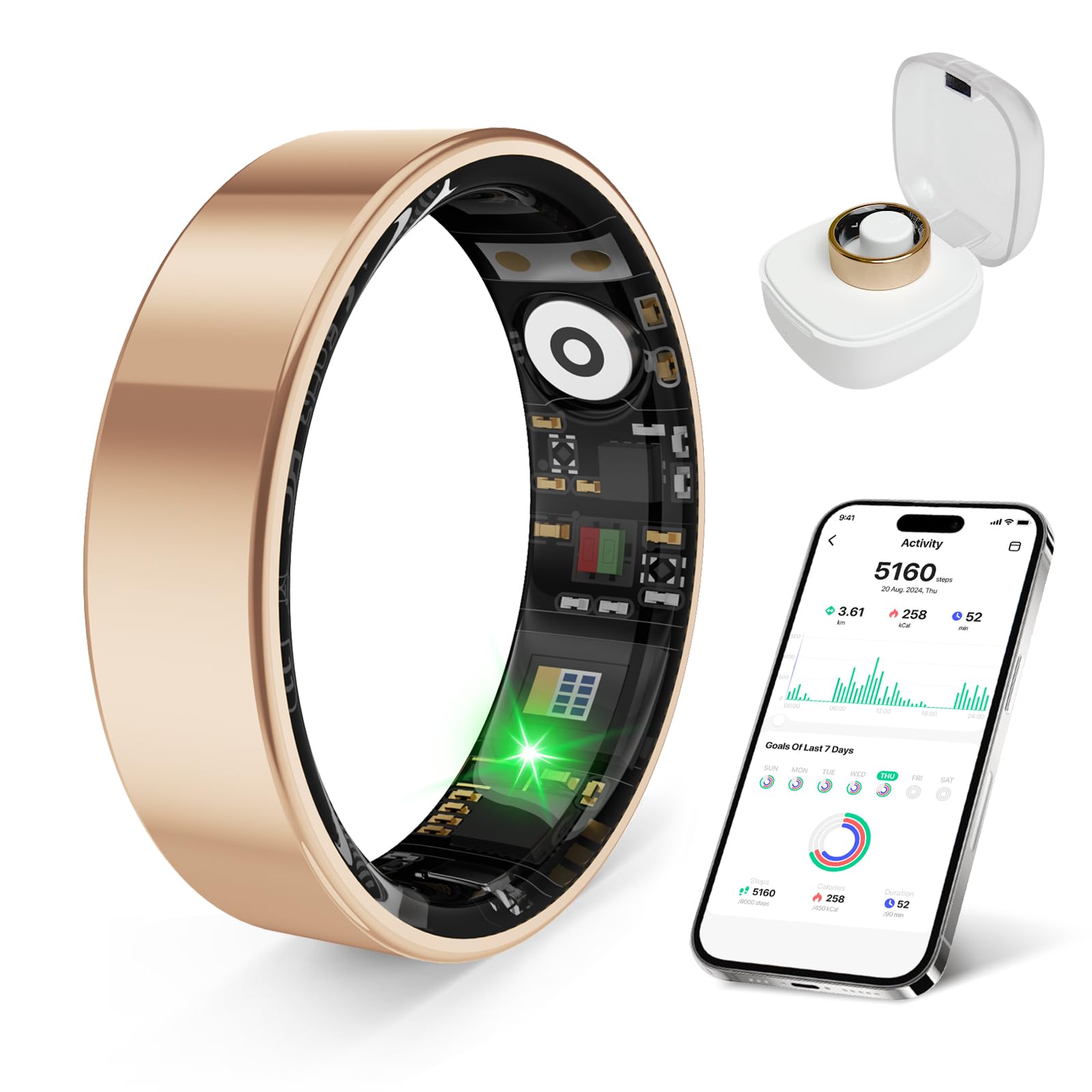
- Waterproof smart ring health fitness monitor ($59.96) — heart rate, sleep, and exercise monitoring with no subscription; review the data after your session.
Putting It Together
A beginner-friendly week: three Zone 2 walks (30–40 minutes each), one short Zone 3 effort, and rest days in Zone 1. Track it, watch your resting heart rate trend down over weeks, and you'll have proof your fitness is improving. Pair zone training with smart device choice — our smart rings guide and the home gym cluster can help you build the full setup.
Frequently Asked Questions
What heart rate zone should beginners stay in?
Zone 2 (light, conversational effort) for most cardio sessions. It's where endurance and fat-burning adaptations happen with the least injury risk.
How do I calculate my zones?
Estimate max heart rate as 220 minus your age, then take percentages: Zone 1 ~50–60%, Zone 2 ~60–70%, Zone 3 ~70–80%, Zone 4 ~80–90%, Zone 5 ~90–100%.
Do I need a heart rate monitor to use zones?
It helps a lot — perceived effort is unreliable. A tracker like the Amazfit Active Max sport watch or the Waterproof smart ring health fitness monitor gives you live numbers instead of guesswork.
Can zone training help with walking?
Absolutely. Zone 2 brisk walking is one of the most effective, lowest-risk forms of cardio — and a tracker keeps you honest about the pace.