
Strength Training Without a Gym
Strength Training Without a Gym
You don't need a barbell, a squat rack, or a $60 monthly membership to build real strength. Muscles respond to tension, not to brand names — and with the right approach, a few square feet of floor space and the right tools deliver progressive, measurable strength gains for years. Here's how to train seriously at home.
VivPulse is reader-supported. When you buy through links on our site, we may earn an affiliate commission.
Progressive Overload, Explained Simply
Strength comes from one principle: gradually ask your muscles to do a little more than last time. In a commercial gym you'd add plates to a bar; at home you add reps, use a heavier band, add a set, slow the tempo, or shorten rests. That's the entire secret. If you can track it and increase it, you're doing progressive overload — see our 4-week beginner home workout plan for a structured way to start.
Your Home Strength Toolkit
Three items cover nearly everything:
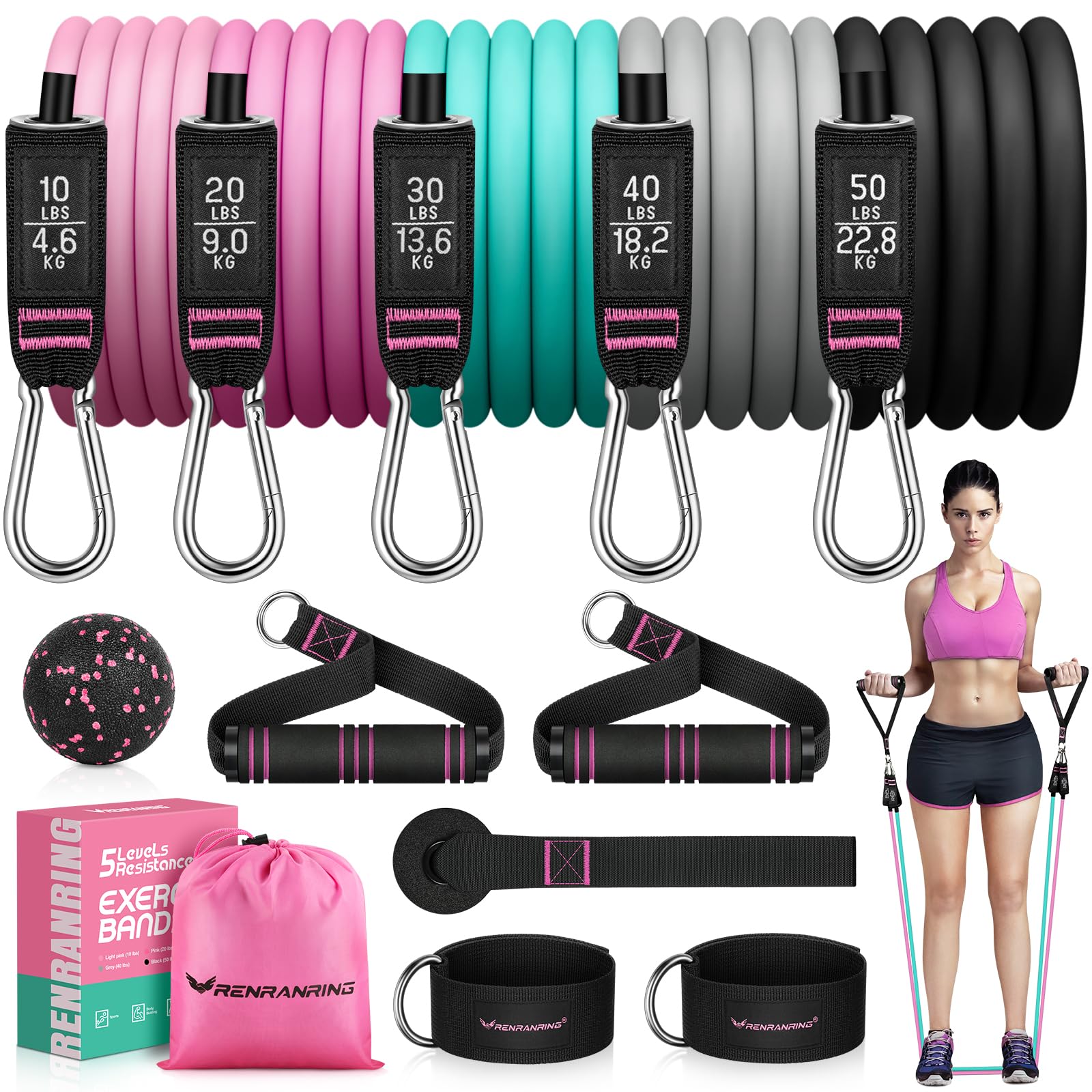
- Resistance bands — the Resistance band training set 150lbs ($16.99 USD) stacks from light to heavy, with handles and a door anchor for presses, rows, and curls. Our 20-minute resistance band workout shows the full exercise range.
- Your bodyweight — push-ups, split squats, glute bridges, and planks are legitimately hard when done with strict form and slow tempos. Free, always available, infinitely scalable.
- A weight bench — the adjustable foldable weight bench ($69.99 USD) unlocks incline presses, supported rows, step-ups, and Bulgarian split squats you simply can't do on the floor — then folds flat for storage in a small apartment.
Sample Upper/Lower Split
Once full-body sessions feel easy, split your training into upper and lower days — four sessions per week, alternating. Three sets of 8–12 reps per exercise, resting 60–90 seconds:
- Upper day: band chest press (on the bench, flat or incline), single-arm band row (one knee on the bench), band shoulder press, band bicep curl, overhead band tricep extension.
- Lower day: band squat, band deadlift, Bulgarian split squat (rear foot on the bench), step-up (onto the bench), glute bridge, standing calf raise.
The bench turns five of these ten exercises from "awkward on the floor" into proper, stable lifts — that's the difference between going through the motions and actually progressing.
Bands + Bench Combos Worth Trying
- Incline band press — bench at 30–45 degrees, band anchored low behind you. Hits the upper chest like an incline dumbbell press.
- Supported single-arm row — one knee and hand on the bench, row the band with the free hand. Strict form, zero lower-back cheating.
- Bulgarian split squat — rear foot elevated on the bench, band under your front foot. One of the hardest leg exercises you can do anywhere, gym or not.
Recovery Between Sessions
Harder training means soreness, and soreness derails consistency if you let it. Sleep and protein handle most of it; for the rest, a few minutes with the BOB AND BRAD Q2 Mini Massage Gun ($79.99 USD) on worked muscles can loosen things up between sessions. Our complete home gym guide covers the full recovery picture, and if space is tight, these setups fit the small-space home gym approach too.
Frequently Asked Questions
Can I build real muscle without heavy weights?
Yes — muscle growth is driven by training close to failure with progressive overload, not by any specific implement. Bands taken to genuine effort, plus bodyweight progressions, build visible muscle for most people.
How many days per week should I lift at home?
Three full-body days or four upper/lower days. Beginners should start with three; muscles need roughly 48 hours to recover between sessions for the same muscle group.
Are bands or dumbbells better for home training?
Both work. Bands are cheaper, lighter, quieter, and store in a drawer — dumbbells offer simpler load tracking. Most home lifters start with bands like the 150lbs resistance band set and add weights later if they want them.
Do I need a bench, or can I do everything on the floor?
You can start on the floor, but a bench meaningfully expands your exercise menu — incline pressing angles, supported rows, and elevated split squats. The adjustable foldable weight bench folds away, so the space cost is minimal.